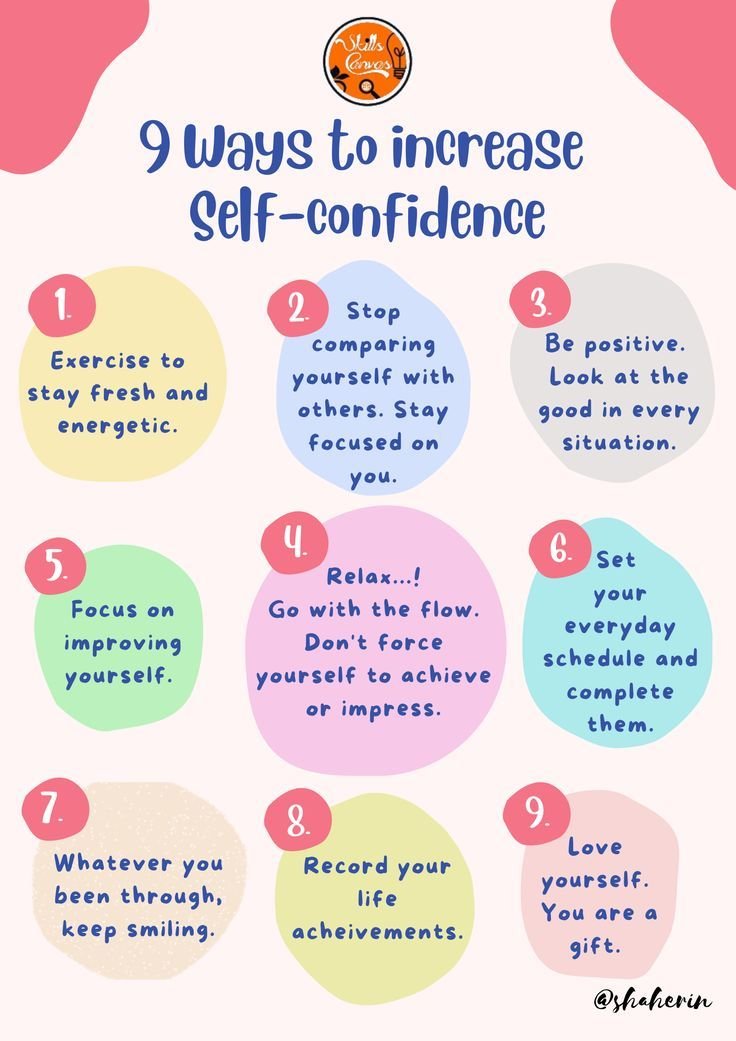
True inner confidence isn't about strutting into a room and dominating it, nor is it about never feeling a flicker of doubt. Cultivating Inner Confidence is a much deeper, more personal journey—it's about building an unshakable belief in your own worth and capabilities, regardless of external circumstances. It's the quiet strength that allows you to pursue your goals, navigate challenges, and truly be yourself, flaws and all.
Think of it as your internal compass, always pointing you toward your authentic self. It’s a skill you can learn, refine, and strengthen, paving the way for lasting empowerment and a more fulfilling life.
At a Glance: Your Path to Inner Confidence
- Understand the Difference: Self-confidence (belief in abilities) and self-esteem (overall self-worth) work together.
- Shift Your Mindset: Replace negative self-talk with positive affirmations, practice gratitude, and embrace self-compassion.
- Take Deliberate Action: Identify strengths, set achievable goals, learn from setbacks, and step outside your comfort zone.
- Build a Supportive Environment: Practice mindfulness, journal your growth, and surround yourself with positive influences.
- It's a Journey, Not a Destination: Be patient with yourself, celebrate small wins, and know that growth is ongoing.
The Foundation: Understanding True Inner Confidence
Before we dive into the 'how,' let's clarify what we're building. While often used interchangeably, "self-confidence" and "self-esteem" are distinct yet intertwined concepts crucial to your inner strength.
Self-confidence is your belief in your ability to perform a task, handle a situation, or succeed in a specific area. It's competence-based. When you're confident in your public speaking skills, you believe you can deliver a good presentation. When you're confident in your problem-solving abilities, you trust you can navigate a tricky situation at work.
Self-esteem, on the other hand, is your overall sense of self-worth and value. It's about how you perceive yourself as a person, irrespective of your performance. It's the deep-seated understanding that you are inherently worthy of respect, happiness, and love, simply by existing. It embraces your strengths, acknowledges your imperfections, and recognizes your unique contribution to the world.
Why does this distinction matter? You can be highly confident in one area (e.g., a brilliant surgeon) but have low self-esteem overall, feeling inadequate in other aspects of your life. Conversely, someone with high self-esteem might try a new skill and not immediately be confident in it, but their underlying self-worth allows them to persist and learn without crushing their spirit. Cultivating both creates a robust inner resilience, enabling you to bounce back from setbacks and thrive.
Mindset Shifts: Rewiring Your Inner Dialogue
Inner confidence starts from within—specifically, with the stories you tell yourself. Our minds are powerful narrative machines, and if left unchecked, they can become breeding grounds for doubt and criticism. Here’s how to cultivate a more supportive inner landscape.
1. Harness the Power of Positive Self-Talk & Affirmations
You wouldn't let a friend constantly belittle themselves, so why tolerate it from your own internal voice? Negative self-talk ("I'm not good enough," "I'll mess this up") erodes confidence. Replacing it with positive self-talk and affirmations is not about delusion; it's about intentional redirection.
- Catch the Critic: Become aware of your negative thought patterns. When you notice a self-deprecating thought, pause.
- Challenge the Thought: Ask yourself: "Is this absolutely true? What's the evidence against it?" Often, you'll find your inner critic is exaggerating or relying on old fears.
- Reframe with Reality: Replace the negative thought with a more balanced, supportive one. Instead of "I'm terrible at this," try "I'm still learning, and it's okay to make mistakes."
- Practice Affirmations: These are positive statements you repeat to yourself, affirming the qualities you want to embody. "I am capable," "I am resilient," "I trust my decisions." Say them aloud, write them down, or even put them on sticky notes. For affirmations to work, they need to feel believable to you. Start small if needed: "I am open to becoming more confident."
2. Cultivate a Habit of Gratitude
Gratitude shifts your focus from what's lacking to what's abundant. It's a powerful antidote to comparison and self-criticism, fostering a sense of contentment and acknowledging your own good fortune and efforts.
- Daily Gratitude Practice: Each day, list 3-5 things you're grateful for. This could be big achievements, simple pleasures, or even just the quiet moments.
- Acknowledge Your Efforts: Be grateful for your perseverance, your attempts, and the lessons you're learning. This reinforces that your efforts matter, regardless of the immediate outcome.
- Gratitude Journaling: Dedicate a few minutes each day to writing down specific instances of gratitude. You might use prompts like "What challenge did I overcome today?" or "What strength did I demonstrate?" This reinforces positive experiences and builds a personal history of competence.
3. Embrace Self-Compassion
Self-compassion means treating yourself with the same kindness, understanding, and empathy you would offer a dear friend. It's recognizing that nobody is perfect, and flaws and mistakes are universal human experiences, not personal failings. This directly counters the harsh inner critic that demolishes self-esteem.
- Acknowledge Suffering: When you're struggling or feel inadequate, acknowledge those feelings without judgment. "This is a moment of suffering."
- Common Humanity: Remind yourself that others experience similar struggles. You're not alone in feeling this way.
- Self-Kindness: Instead of self-criticism, offer yourself words of comfort and support. What would you say to a friend facing this? "It's hard right now, but you're doing your best."
- View Mistakes as Opportunities: See errors not as proof of your inadequacy, but as valuable data points for growth. What can you learn here? How can you adjust next time? This mindset helps you approach challenges without fear of failure crippling your initiative, building resilience that strengthens your belief in yourself.
4. Listen to Your Intuition
Your intuition is that quiet inner knowing, a gut feeling that guides you. Trusting it is a profound act of self-confidence, signaling that you believe in your own internal wisdom.
- Tune In: Take moments to quiet your mind and pay attention to your physical sensations and subtle urges when making decisions, big or small. Does a choice feel expansive or constrictive?
- Practice Small: Start by trusting your intuition in low-stakes situations—what route to take, what to eat, which book to read.
- Reflect and Learn: After following your intuition, reflect on the outcome. Did it lead you well? Even if not, what did you learn about your inner voice? This process builds a feedback loop that strengthens your trust in yourself over time.
Actionable Steps: Building Competence, One Brick at a Time
Mindset shifts are powerful, but inner confidence truly solidifies when you pair them with action. These steps focus on building tangible skills, expanding your comfort zone, and recognizing your progress.
1. Identify and Leverage Your Strengths
We often focus on our weaknesses, trying to "fix" ourselves. But true empowerment comes from understanding and utilizing what you're already good at.
- Strength Inventory: Make a list of your talents, skills, and positive qualities. Think about what comes easily to you, what others compliment you on, and what you enjoy doing. Don't just list professional skills; include personal strengths like empathy, humor, or creativity.
- Celebrate the Small Wins: Notice and acknowledge every small success. Did you finish a difficult task? Nail a tricky conversation? Even if it's just getting out of bed on a tough morning, celebrate that resilience. These micro-victories accumulate and reinforce your capabilities.
- Apply Your Strengths: Intentionally find ways to use your strengths more often, both personally and professionally. If you're a natural problem-solver, seek out opportunities to tackle challenges. If you're a great listener, offer that gift to friends in need. This not only builds confidence but also enhances your sense of purpose.
2. Set Realistic, Achievable Goals
Ambitious goals are inspiring, but consistently setting unattainable ones can erode your confidence. The key is to build momentum through consistent, manageable successes.
- SMART Goals: Ensure your goals are Specific, Measurable, Achievable, Relevant, and Time-bound. Instead of "I want to be confident," try "I will speak up at least once in every team meeting this week."
- Break It Down: Divide larger goals into tiny, actionable steps. If you want to run a marathon, your first step might be "walk for 15 minutes three times a week." Each completed step builds competence and confidence.
- Celebrate Milestones: Just as you celebrate small wins, recognize and reward yourself for hitting milestones along your goal path. This positive reinforcement makes the journey more enjoyable and sustainable. It's a powerful way to reinforce your belief in your ability to follow through.
3. Embrace Failure as a Stepping Stone to Success
Fear of failure is a major confidence killer. It paralyzes action and keeps us from growing. Instead of fearing failure, learn to reframe it.
- The Learning Mindset: Every "failure" is a data point, an opportunity to learn what didn't work and adjust your approach. Think of scientists—they don't "fail" experiments; they gather information.
- Detach from Identity: A setback doesn't define you. It's an event, not your identity. "I failed at this task" is very different from "I am a failure."
- Analyze and Adapt: When things don't go as planned, ask: What happened? What did I learn? What will I do differently next time? This analytical approach transforms perceived failure into valuable experience, building practical wisdom that inherently boosts confidence.
4. Face Your Fears, Gradually
Avoiding challenges might feel safe in the short term, but it only reinforces the idea that you're incapable. Tackling your fears, even in small doses, is one of the most potent ways to build confidence.
- Start Small: Don't attempt to conquer your biggest fear all at once. If you fear public speaking, start by offering an opinion in a small group, then leading a discussion, then presenting to a few people.
- "Comfort Zone Stretching": Identify activities that push you just slightly beyond what feels easy. This could be trying a new hobby, speaking to a stranger, or volunteering for a task you're unsure about. Each successful stretch expands your capabilities and reduces fear for future challenges.
- Acknowledge Discomfort: It's okay to feel nervous. Confidence isn't the absence of fear; it's the willingness to act despite it. Recognize the feeling, and then act anyway. This reinforces your courage and resilience.
5. Learn New Skills to Expand Your Capabilities
Learning is a perpetual confidence booster. It proves to you that you are capable of growth, adaptation, and mastering new things.
- Choose Wisely: Pick a skill that genuinely interests you or that could significantly benefit your personal or professional life. This intrinsic motivation will fuel your persistence.
- Embrace the Beginner's Mind: Allow yourself to be new at something without judgment. Enjoy the process of discovery and improvement.
- Celebrate Progress, Not Just Perfection: Focus on how far you've come, not just how far you have to go. Whether it's a new language, coding, or playing an instrument, every small step forward strengthens your belief in your ability to learn and grow.
6. Prioritize Self-Care
It might seem counter-intuitive, but taking care of your physical and mental well-being is foundational to inner confidence. When you feel good, you perform better, think clearer, and have more resilience.
- Mind: Engage in activities that nourish your brain and reduce stress. This could be reading, meditation, learning, or simply quiet reflection.
- Body: Prioritize adequate sleep, nutritious food, and regular exercise. These aren't luxuries; they're non-negotiable for optimal functioning. When your body feels strong and cared for, your mind often follows suit.
- Soul: Engage in activities that bring you joy, meaning, and connection. Hobbies, time in nature, spiritual practices, or quality time with loved ones recharge your spirit. When you consistently honor your own needs, you send a powerful message to yourself: "I am worthy of care and attention."
Fostering Your Ecosystem: Awareness & Support
Inner confidence isn't built in a vacuum. Your environment, your relationships, and your self-awareness play crucial roles in sustaining your growth.
1. Practice Mindfulness to Stay Present
Mindfulness is the practice of paying attention to the present moment without judgment. It helps you become aware of your thoughts and feelings without getting swept away by them, offering a critical distance from negative self-talk.
- Simple Breath Awareness: Take a few moments each day to simply focus on your breath. Notice the sensation of air entering and leaving your body. When your mind wanders, gently bring it back.
- Observe Your Thoughts: Instead of identifying with negative thoughts, observe them as passing clouds. "I am having the thought that I'm inadequate," rather than "I am inadequate." This detachment allows you to choose your response rather than react automatically.
- Recognize Patterns: Through mindfulness, you'll start to notice recurring negative patterns in your thinking. This awareness is the first step toward making conscious, positive changes and breaking free from limiting beliefs.
2. Journaling for Growth & Reflection
Journaling is a powerful tool for self-discovery and tracking your journey. It provides a private space to explore your thoughts, feelings, successes, and challenges.
- Track Your Wins: Regularly record your achievements, big and small, along with moments when you demonstrated courage or overcame a fear. This creates a tangible record of your progress, which is invaluable when doubts creep in.
- Process Challenges: Use your journal to explore difficult emotions, setbacks, or fears. Writing about them can help you gain perspective, identify solutions, and learn from the experience.
- Prompt-Guided Reflection: Use prompts to deepen your self-awareness. Examples: "When did I feel most confident today/this week?", "What belief is holding me back, and how can I challenge it?", "What steps can I take to feel more secure in myself?" This kind of introspection is vital for sustained inner growth, helping you to challenge deeper insecurities, including those that might manifest as envy. For example, understanding the roots of comparison can shed light on Understanding Inside Out Envy and help you build a more robust sense of self-worth that is less dependent on external validation.
3. Surround Yourself with Uplifting People
The people you spend time with significantly impact your mindset and self-perception. Positive relationships can fuel your confidence, while negative ones can drain it.
- Seek Uplifters: Gravitate towards individuals who believe in you, celebrate your successes, and support you through challenges. They offer encouragement, honest feedback, and a sense of belonging.
- Limit Draining Influences: Identify relationships that consistently leave you feeling drained, criticized, or inadequate. While you can't always cut people out, you can set boundaries and limit your exposure.
- Practice Receiving Compliments: Many people deflect compliments out of modesty or discomfort. Learn to graciously accept them with a simple "Thank you." This affirms your worth and allows positive feedback to sink in.
4. Seek Guidance When Needed
It's a sign of strength, not weakness, to ask for help. Sometimes, persistent challenges or deep-seated insecurities require an external perspective.
- Trusted Friends or Mentors: Share your struggles with someone you trust and respect. They might offer valuable insights, a different perspective, or simply a listening ear.
- Professional Support: For more entrenched issues like chronic low self-esteem, anxiety, or imposter syndrome, consider speaking with a therapist, counselor, or coach. They can provide tools, strategies, and a safe space to explore underlying issues and develop healthier coping mechanisms. This proactive step can accelerate your journey toward lasting confidence.
Beyond the Basics: Supplementary Tools & Practices
Sometimes, small shifts in your daily routine can provide surprising boosts to your inner confidence. Consider these additional resources and practices:
- Empowering Literature: Read books on self-confidence, personal development, psychology, or biographies of resilient individuals. Learning from others' journeys and insights can provide inspiration and practical strategies.
- Guided Meditation: Many apps and online resources offer guided meditations specifically focused on building self-worth, courage, and self-acceptance. These can be excellent for cultivating a calm and positive internal state.
- Empowering Music: Create playlists of music that makes you feel strong, motivated, and uplifted. Use it to set a positive tone for your day, during workouts, or when you need a mental boost.
- Personal Style: Dress in clothes that make you feel comfortable, authentic, and good about yourself. When your external presentation aligns with how you want to feel internally, it can positively influence your mood and posture, reflecting a more confident presence. It's not about expensive clothes, but about intentional choices that make you feel your best.
Common Myths About Inner Confidence
Let's debunk a few persistent misconceptions that might be holding you back.
Myth 1: "Inner confidence means I'll never have doubts or fears."
- Reality: Confidence isn't the absence of fear, but the willingness to act despite it. Everyone experiences doubts. Confident people simply don't let those doubts paralyze them. They acknowledge the fear, lean into their courage, and move forward.
Myth 2: "It's about being arrogant or self-centered." - Reality: Arrogance often stems from insecurity, a need to prove oneself. True inner confidence is quiet and authentic. It's knowing your worth without needing to constantly validate it externally or diminish others. It allows you to be genuinely present and compassionate.
Myth 3: "Some people are just born confident." - Reality: While some individuals might have a naturally more outgoing temperament, inner confidence is a skill developed through practice, self-awareness, and intentional action. It's a muscle that gets stronger with use, not an inherent trait you either have or don't.
Myth 4: "I need to achieve big things to be confident." - Reality: External achievements can certainly boost confidence, but they are not the foundation of inner confidence. Building a strong inner core comes from valuing your inherent worth, acknowledging your efforts, and celebrating your progress, regardless of the scale of your accomplishments.
Your Journey Forward: Sustaining Inner Confidence
Cultivating inner confidence is not a one-time fix; it's a dynamic, ongoing journey. There will be days when you feel strong and capable, and days when you face doubts and setbacks. That's perfectly normal. The goal isn't to eliminate challenges, but to build the resilience and self-trust to navigate them effectively.
Keep nurturing your mindset with positive self-talk and gratitude. Continue taking intentional actions, even small ones, to expand your capabilities and step out of your comfort zone. Prioritize self-care, and remember to connect with supportive people who lift you up. Most importantly, be patient and compassionate with yourself. Celebrate every tiny victory, every moment of courage, and every step forward.
Your inner confidence is a wellspring of strength that will serve you throughout your life. By committing to these practices, you're not just building self-belief; you're building a foundation for a richer, more authentic, and empowered existence. Start today, one conscious thought and one deliberate action at a time.